
From Worst to Winners: What Lawyers, Mediators, and Litigants Can Learn from Indiana Football’s 2025 National Championship Run

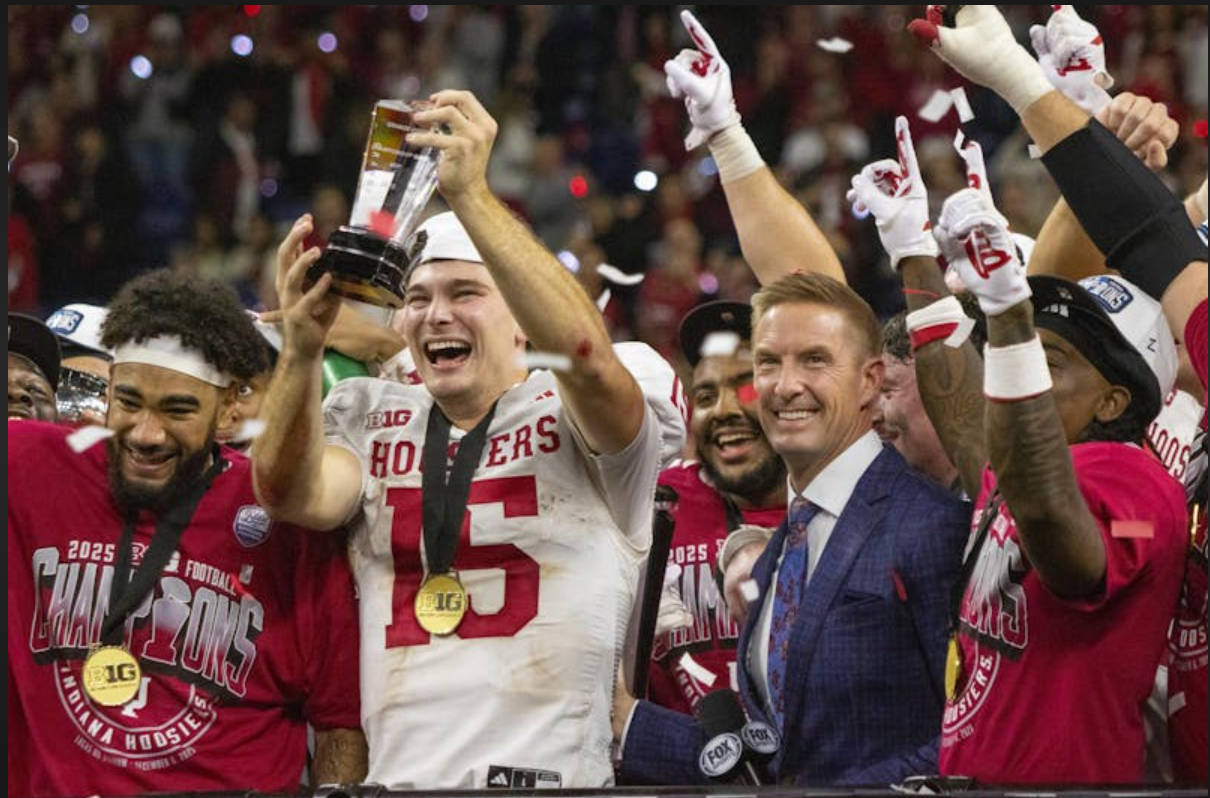
On January 19, 2026, the Indiana Hoosiers football completed one of the most remarkable turnarounds in modern sports, capping a perfect 16–0 season, producing a Heisman Trophy winner, and claiming their first College Football National Championship. A true Cinderella story!

Just two years earlier, Indiana football finished 3–9, widely regarded as one of the weakest programs in college football. No shortcuts. No overnight miracle. Just belief, discipline, and a relentless commitment to doing the hard things the right way.

That journey holds powerful lessons for lawyers, mediators, and litigation parties navigating high-stakes disputes, career plateaus, or seemingly unwinnable cases.


1. Focus Beats Flash: The Discipline to Execute Fundamentals

Indiana didn’t win by chasing gimmicks or relying on highlight-reel tricks. They won by executing fundamentals at an elite level—every snap, every drive, every game.

In law and mediation:

  • Great outcomes rarely come from dramatic courtroom theatrics or aggressive posturing alone.
  • They come from preparation, issue-spotting, credibility, and consistency.
  • Settlement leverage is built quietly—through discovery discipline, realistic valuation, and strategic patience.

Lesson: Championships and settlements are won long before the spotlight turns on.


2. No Easy Way Out: Growth Happens in the Hard-Work

Indiana could have chased quick fixes, soft schedules, paid for big name players/transfers, shortcuts in development. They didn’t. They embraced the grind: conditioning, tough scheduling, accountability, and adversity.

In litigation and mediation:

  • The “easy way” often looks like premature motion practice, positional bargaining, or avoiding difficult conversations.
  • The harder path—honest risk analysis, uncomfortable caucus dialogue, and reality-testing—produces durable agreements.

Lesson: Sustainable success comes from choosing the hard right over the easy wrong.


3. Belief Changes Performance Before It Changes Results

Before Indiana became champions, they first became believers. Players, coaches, and the program rewired their identity—from underdogs to contenders. That internal shift preceded every external victory.

In conflict resolution:

  • Parties who believe resolution is possible negotiate differently.
  • Lawyers who believe in preparation over bluster advocate more effectively.
  • Mediators who believe in “process over profit” maintain patience even when talks stall and stay ethical.

Lesson: Outcomes follow mindset. If you don’t believe progress is possible, it won’t be.


4. Leadership Creates Culture—Culture Wins Championships

Indiana’s turnaround wasn’t about one player, one coach, or one moment. It was about culture—clear expectations, shared accountability, and trust in the system.

In legal teams and mediation rooms:

  • Strong leadership creates psychological safety, enabling candid risk discussions.
  • Culture determines whether teams collaborate or fracture under pressure.
  • A mediator’s calm leadership during challenging discourse can reset an entire negotiation dynamic.

Lesson: Culture outlasts expertise/talent—and often outperforms it.


5. From 3–9 to 16–0: Past Failure Is Not a Ceiling

Indiana’s history did not define its future. The program refused to accept that “this is just who we are.” They rewrote the narrative.

For litigants and professionals:

  • A bad case history does not dictate settlement value.
  • A prior loss does not define future success.
  • A stalled negotiation is not a failed one—unless you stop believing and adjusting.

Lesson: Where you start does not determine where you can finish.


Final Whistle: Believe, Prepare, Execute

Indiana football’s national championship is not just a sports story—it’s a blueprint for transformation.

For lawyers, mediators, and parties in conflict, the message is clear:

  • Stay focused
  • Reject shortcuts
  • Commit to disciplined preparation
  • Believe that progress is possible—even when history says otherwise

You can go from worst to winners.
Not by wishing.
Not by rushing.
But by believing—and doing the work when no one is watching.


Stanley Zamor is a Florida Supreme Court Certified Circuit/Family/County Mediator & Primary Trainer and Qualified Arbitrator.  Mr. Zamor is a private mediator and serves on several federal and state mediation/arbitration rosters. As an ADR consultant/professional he regularly lectures on a variety of topics from ethics, diversity/culture, bullying, Community Resolution Design, and Family/Business relationships.  ZamorADRExpert@gmail.com ; www.effectivemediationconsultants.com; www.LinkedIn.com/in/stanleyzamoradr, (954) 261-8600.

Mediation on the Field and in the Office: “What Football, Law Firms, and Daily Life Teach Us About Conflict Resolution”

By: Stanley Zamor

A companion article inspired by the Linkedin.com blog of Jason S. Weiss, Esq.

Jason S. Weiss’s reflection on NFL playoff football and in-house counsel life offers more than a clever sports analogy—it captures a truth mediators see every day: conflict management is not an abstract skill reserved for courtrooms and conference tables. It is woven into daily life, professional decision-making, and the culture of organizations, especially law firms.

In mediation terms, some days you are the underdog grinding it out, absorbing pressure, improvising, and relying on fundamentals just to survive. Other days, everything flows: preparation pays off, communication is clean, and clear perspectives/goals makes resolution look effortless. Both scenarios are familiar to mediators—and to lawyers working within firms and corporate legal departments.

Preparation Is Process, Not Luck

In football, turnovers and missed assignments undo even the most talented teams. In mediation and legal practice, the equivalent failures are incomplete information, unexamined case theories/case-law, and poor internal communication. Contracts fail, deals collapse, and disputes escalate not because the law was wrong, but because the process was sloppy/incomplete, not well presented or unclear.

Mediators are trained to slow things down, explore interests/not just positions, and test reality before momentum hardens into impasse. Law firms that adopt this mindset—early issue spotting, candid internal dialogue, and disciplined preparation—are far better positioned to manage risk and client expectations. Preparation is not about predicting every outcome; it is about building options creative enough to handle surprises.

The Injury No One Wanted to Talk About

The moment in Weiss’s piece that resonates most deeply from a mediation perspective is the quarterback injury revelation. A history that mattered surfaced too late, followed by regret, blame, and hindsight judgment.

This is a classic mediation lesson: conflict often erupts not from bad intent, but from incomplete disclosure combined with fear. Parties withhold information because they worry about consequences, judgment, or loss of opportunity. Leaders then react to the surprise rather than addressing the systemic failure that allowed silence to persist.

In mediation, we focus on creating environments where the “hard facts” can emerge early—without punishment, posturing, or ego. Law firms are no different. Associates hesitate to raise concerns, partners may avoid uncomfortable truths, and clients sometimes minimize risks they fear will derail a deal. A mediation-informed culture encourages early disclosure, curiosity over blame, and problem-solving over recrimination.

When the Star Player Goes Down

Another quiet insight in Weiss’s analogy is resilience. Teams that rely solely on a single star collapse when that player is sidelined. The same is true in firms and organizations built around one rainmaker, one expert, or one decision-maker.

Mediation emphasizes shared ownership of outcomes. Agreements endure when all stakeholders understand the deal, buy into the process, and can adapt when circumstances change. Law firms that embed mediation principles—collaborative decision-making, transparent communication, and contingency planning—are better equipped to keep “moving the ball” when disruptions occur.

Mediation as a Daily Practice

Mediation is not just a dispute resolution event; it is a way of thinking. It shows up in how partners manage disagreements, how in-house counsel assesses risk, how teams communicate bad news, and how leaders respond when things go wrong.

Football reminds us that discipline beats chaos, preparation beats bravado, and culture determines whether adversity becomes a collapse or a comeback. Mediation teaches the same lesson: resolution is rarely about winning the argument—it is about managing the moment, the people, and the process with intention.

In law firms and in life, the question is not whether conflict will arise. It is whether we have built the systems, have the skills, and trust to handle conflict before the injury report comes out too late. Stanley Zamor is a Florida Supreme Court Certified Circuit/Family/County Mediator & Primary Trainer and Qualified Arbitrator.  Mr. Zamor is a private mediator and serves on several federal and state mediation/arbitration rosters. As an ADR consultant/professional he regularly lectures on a variety of topics from ethics, diversity/culture, bullying, Community Resolution Design, and Family/Business relationships.  ZamorADRExpert@gmail.com ; www.effectivemediationconsultants.com; www.LinkedIn.com/in/stanleyzamoradr. (954) 261-8600