
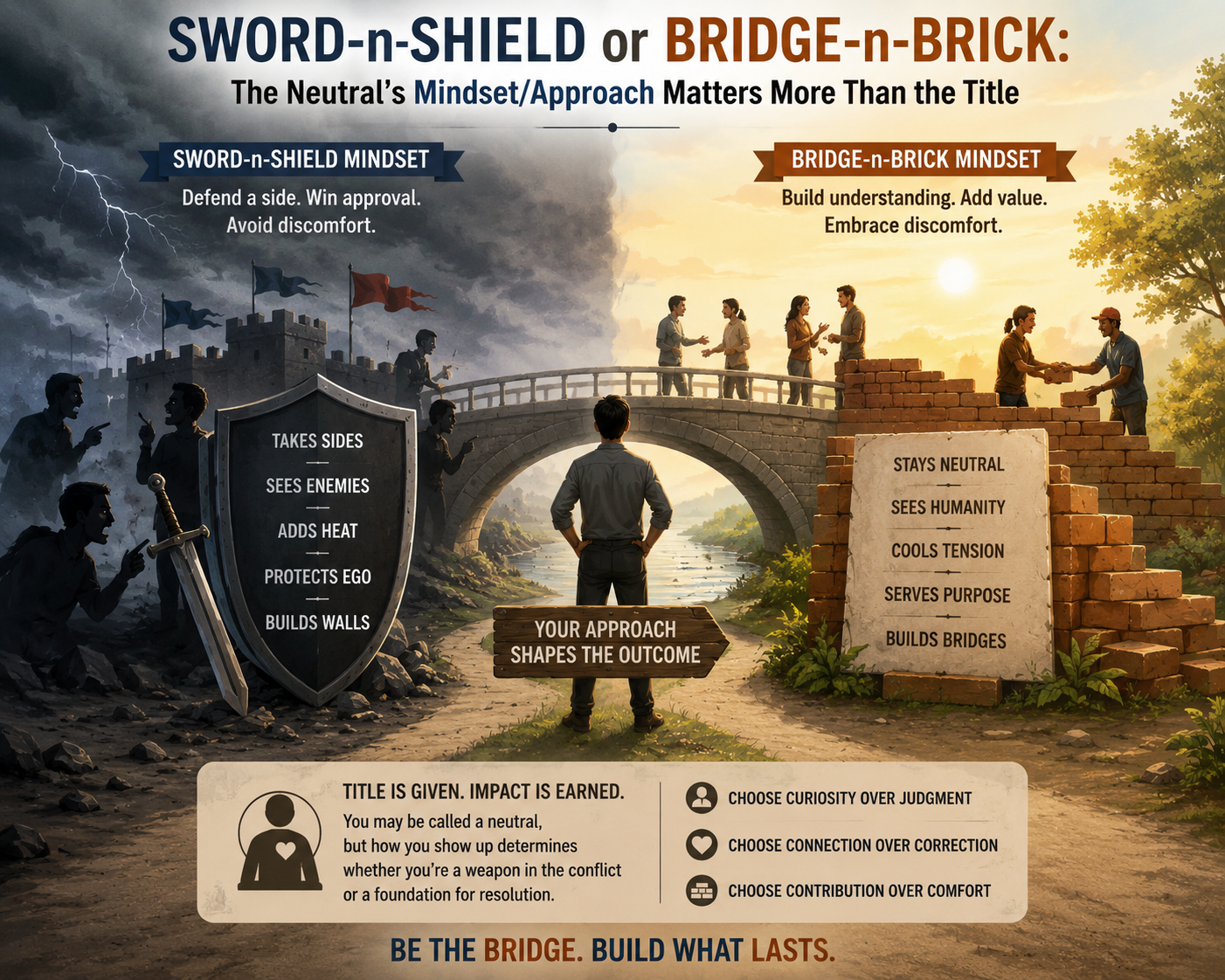
“Sword-n-Shield or Bridge-n-Brick”: The Neutral’s Mindset/Approach Matters More Than the Title

By Stanley Zamor

When preparing to mediate, parties often spend significant time selecting the “most experienced” neutral. They look at years of litigation, judicial appointments, verdict history, or the prestige what a resume/curriculum vitae demonstrate. But mediation was never designed to be a continuation of litigation by another name.

The real question is not simply who knows the law best.
The question is: Who understands conflict best, and how to create an opportunity to amicably address/resolve a dispute?

Too often, the mediation consumers reward the “Sword & Shield” mindset — a system rooted in positional leverage, predictive analysis, authority, and adversarial conditioning. Rarely concerned that it often violates procedural ethics and party self-determination. While those skills may have value in litigation, mediation requires something fundamentally different and much more. It requires the ability to build dialogue where communication has collapsed. It requires emotional intelligence, patience, strategic listening, encouraging empowerment and the discipline to protect party self-determination even when tension rises.

Mediation is not supposed to become a shadow courtroom.

This is where the “Bridge & Brick” philosophy becomes essential. A skilled neutral is not merely attempting to predict outcomes or pressure concessions. A true mediator is constructing opportunities for understanding, empowerment, reframing conflict, restoring communication, relationship building and helping participants move from entrenchment toward intentional decision-making.

Every word, pause, caucus, and question becomes a brick placed carefully toward resolution.

The challenge facing the ADR profession today is that many still confuse litigation experience with mediation competency. They are not the same discipline. Trial advocacy teaches persuasion. Conflict resolution teaches transformation and amicable resolve. One prepares professionals to win positions. The other prepares neutrals to manage human dynamics, emotions, perception, identity, and communication breakdowns.

That distinction matters.

The Florida Rules for Certified and Court-Appointed Mediators remind us that mediation is a voluntary, party-centered process grounded in neutrality, impartiality, empowerment and self-determination. Those principles cannot survive if the process becomes dominated by ego, predictive pressure, or evaluative influence disguised as facilitation.

The promise of mediation was never about manufacturing settlements at all costs.
It was about creating a process where people could make informed, empowered, and authentic decisions for themselves.

That requires more than a résumé.

It requires intention-trained conflict-resolution practitioners who understand that the mediator’s greatest power is not authority — it is influence earned through trust, credibility, emotional discipline, and integrity…”Process-over-Profit”. 

The future of ADR will belong to those who can build bridges, not merely carry shields. Stanley Zamor is a Florida Supreme Court Certified Circuit/Family/County Mediator, Primary Trainer and Qualified Arbitrator.  Mr. Zamor serves on several federal and state mediation/arbitration rosters and mediates with Salmon and Dulberg. As an ADR consultant/professional he regularly lectures on a variety of topics from ethics to Family/Business relationships. To calendar time with Stanley visit: https://sd-adr.com/attorney/stanley-zamor/ ; email: ZamorADRExpert@gmail.com ; www.effectivemediationconsultants.com; www.LinkedIn.com/in/stanleyzamoradr. (954) 261-8600
Process Over Prediction: “Why Selecting the Right Neutral Matters in Ethical Negotiations”

By Stanley Zamor

In business disputes, parties often enter mediation with one central question in mind: “What will the mediator think this case is worth?”

This mindset reflects a common misunderstanding of what mediation is meant to accomplish. Many parties and even attorneys search for a mediator who will predict the outcome of a trial or provide a valuation of the case. While experienced mediators may understand litigation risk, the true value of mediation lies not in prediction, but in the integrity of the process.

The Difference Between Prediction and Process

Prediction focuses on outcomes—numbers, ranges, and trial forecasts. It attempts to answer the question: What will likely happen in court?

Process, by contrast, focuses on how decisions are made. A strong mediation process ensures that:

  • All parties understand the information being discussed
  • Negotiations occur in an environment of fairness and respect
  • Parties maintain control over the final decision
  • Settlement options are explored without coercion or manipulation

When businesses choose a mediator primarily for their willingness to “call the case” or pressure parties toward a number, they risk undermining the very reason mediation works: self-determined decision-making.

Why Ethical Process Protects Business Interests

For business leaders, litigation is not only about winning or losing—it is about risk management, cost control, relationships, and reputation.

A mediator who prioritizes process helps businesses:

  • Make informed decisions, not rushed ones
  • Avoid settlements driven by pressure rather than analysis
  • Preserve professional relationships where possible
  • Reduce the likelihood of post-settlement regret or conflict

In contrast, mediators who focus too heavily on predicting outcomes may unintentionally shift from facilitating negotiation to influencing the decision itself, which can erode trust in the process.

What Business Professionals Should Look for in a Mediator

When selecting a neutral, business professionals should consider more than reputation or subject-matter expertise. Key qualities include:

1. Commitment to Ethical Neutrality
The mediator should demonstrate a clear commitment to impartiality and the parties’ right to make their own decisions.

2. Process Management Skills
A skilled mediator manages the dialogue, ensures information is understood, and helps parties explore realistic options without dictating results.

3. Ability to Handle Difficult Negotiations
Business disputes often involve strong personalities and high financial stakes. The right mediator knows how to de-escalate tension and keep negotiations productive.

4. Transparency About Their Role
Ethical mediators are clear about the difference between providing information about risk and offering personal opinions that could influence the parties’ choices.

The Strategic Advantage of the Right Neutral

Businesses spend enormous resources selecting attorneys, consultants, and advisors. Yet the choice of mediator—often made quickly or by default—can significantly shape the trajectory of negotiations.

The best mediators understand that their responsibility is not to predict outcomes, but to protect the negotiation process itself.

Because when the process is trusted, the outcome—whatever it may be—has legitimacy.

And in mediation, legitimacy is what makes resolution durable.

Stanley Zamor is a Florida Supreme Court Certified Circuit/Family/County Mediator & Primary Trainer and Qualified Arbitrator.  Mr. Zamor is a private mediator and on the panel of Salmon & Dulberg. He also serves on several federal and state mediation/arbitration rosters. As an ADR consultant/professional he regularly lectures on a variety of topics from ethics to Family/Business relationships. https://sd-adr.com/attorney/stanley-zamor/  ZamorADRExpert@gmail.com ; www.effectivemediationconsultants.com; www.LinkedIn.com/in/stanleyzamoradr. (954) 261-8600
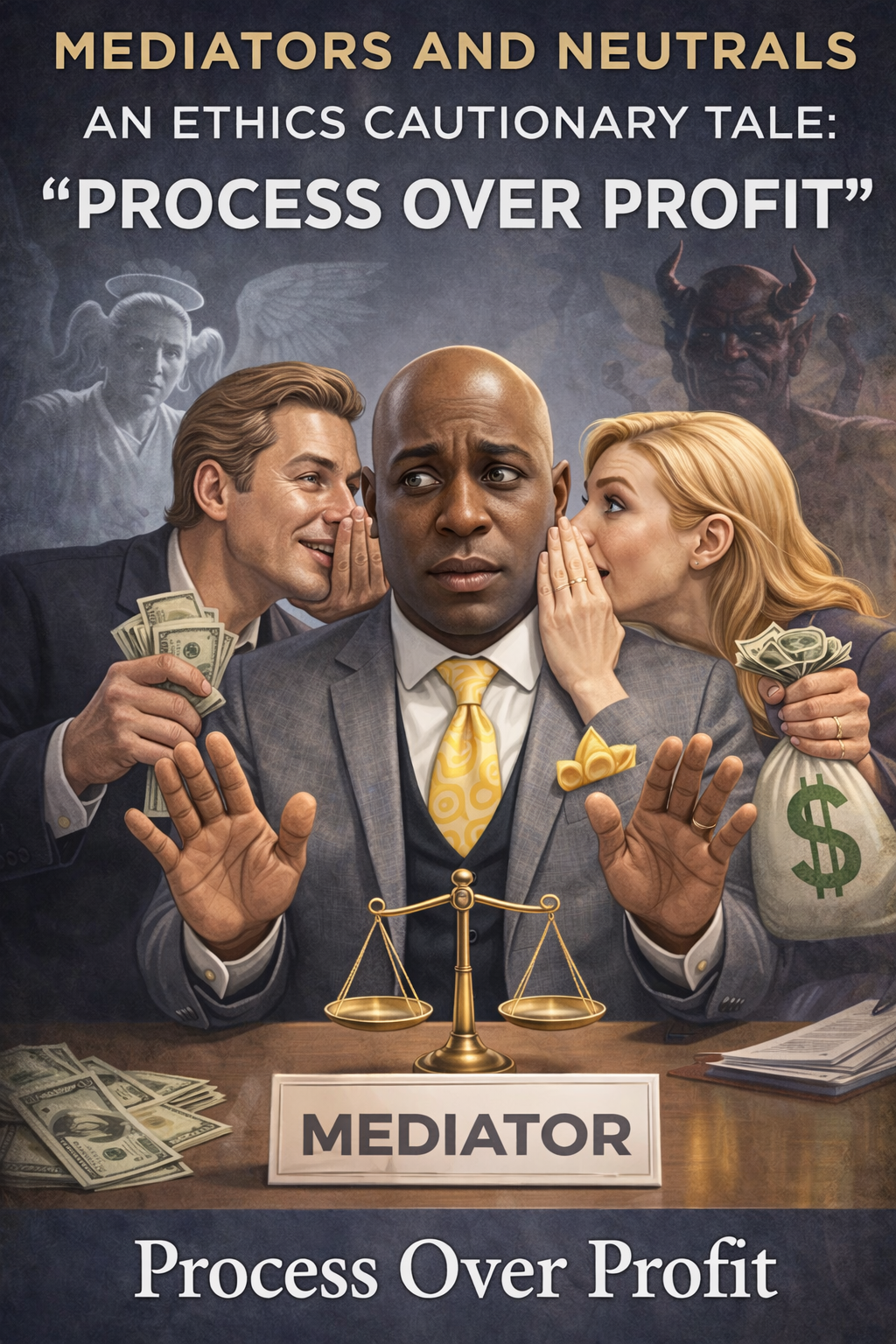
An Ethics Cautionary Tale: Process Over Profit — Translations, How About You?

By Stanley Zamor — Podcast Summary

In the podcast episode “An Ethics Cautionary Tale: Process Over Profit — Translations, How About You?”, Stanley Zamor reflects on a recent mediation experience that raises an issue many neutrals encounter but few openly discuss: the ethical responsibility surrounding proper translation during mediation and the mediator’s duty to safeguard understanding throughout the process.

At the core of the discussion is a foundational principle of mediation — the parties, not the attorneys or the mediator, are the ultimate decision-makers. Because settlement decisions can carry life-altering consequences, mediators have an ongoing obligation to ensure that every participant fully understands the process, the proposals being discussed, and the “parties/litigants” understand implications of their choices. This responsibility does not end once a translator is present; rather, it requires continual monitoring, clarification, and vigilance throughout the mediation session.

The episode highlights an incident that happened during a real litigation commercial case and how ethical obligations, that may seem minor or procedural to other professionals are, in mediation, central to the integrity of the process. Failure to address translation issues, misunderstandings, or communication gaps can undermine self-determination and compromise fairness — both core values of professional mediation practice.

Zamor emphasizes that mediators carry duties that extend beyond client satisfaction or case resolution. Their responsibility is owed simultaneously to the parties, the profession, the mediation process itself, and the courts that rely on mediators to uphold ethical standards. These obligations often differ sharply from the role of advocates, whose focus is understandably aligned with advancing their clients’ interests. This tension can create ethical crossroads for neutrals who must decide whether to prioritize efficiency or procedural integrity.

A central question posed in the podcast challenges mediators directly: How many neutrals truly place process before profit? While the answer may seem obvious in theory, Zamor argues that the reality is more complex. Mediators operate businesses and face economic pressures, making ethical decision-making less straightforward than many assume. The willingness to pause, slow down, or even challenge participants when ethical concerns arise may conflict with business incentives — yet it is precisely in these moments that professional integrity is tested.

The discussion also references the Florida Rules for Certified and Court-Appointed Mediators, which clearly articulate the mediator’s ethical obligations, as well as multiple opinions issued by the Mediator Ethics Advisory Committee (MEAC) addressing translation and communication issues. Despite this guidance, translation concerns remain common and are frequently mishandled, underscoring the need for continued dialogue and education.

Ultimately, the episode serves as both cautionary tale and call to reflection. It challenges mediators to examine their own practices and ask whether they are consistently putting the integrity of the process ahead of convenience or financial considerations. In doing so, Zamor invites the mediation community to reaffirm that ethical vigilance — especially in seemingly routine details — is what protects party self-determination and sustains trust in the profession.

The question lingering at the end is simple but profound: When ethical tensions arise, will you choose process over profit?

Click here for the podcast: https://youtu.be/B2oL-ExMOHo

====================================================================

Stanley Zamor is a Florida Supreme Court Certified Circuit/Family/County Mediator & Primary Trainer and Qualified Arbitrator. Mr. Zamor is a private mediator and serves on several federal and state mediation/arbitration rosters. As an ADR consultant/professional he regularly lectures on a variety of topics from ethics, diversity/culture, bullying, Community Resolution Design, and Family/Business relationships. ZamorADRExpert@gmail.com ; www.effectivemediationconsultants.com; www.LinkedIn.com/in/stanleyzamoradr. (954) 261-8600
How I-DEAL: The Shadow of Mediation

This short podcast is a discussion to introduce the “The Shadow of Mediation”; which is the timeframe that occurs after a mediation conference is held and has ended. The majority of professionals who participate in mediation often behave like once a mediation has concluded, the mediator’s ethical obligations has ended. They are wrong! A mediator’s ethical duty is to the process, profession, parties and the court and does not end when the process does. So neutrals should be be careful.

Stanley Zamor conducts periodic advanced negotiation and mediation advocacy trainings throughout the year where this and other nuances are discussed. During these advanced negotiation/mediation trainings techniques are discussed and demonstrated.

Subscribe, comment about this video and share it with others. If you have any questions for suggestions for future discussions or a question, please forward them to ZamorADRExpert@gmail.com with the subject line “Podcast Inquiry”

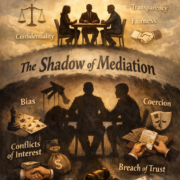
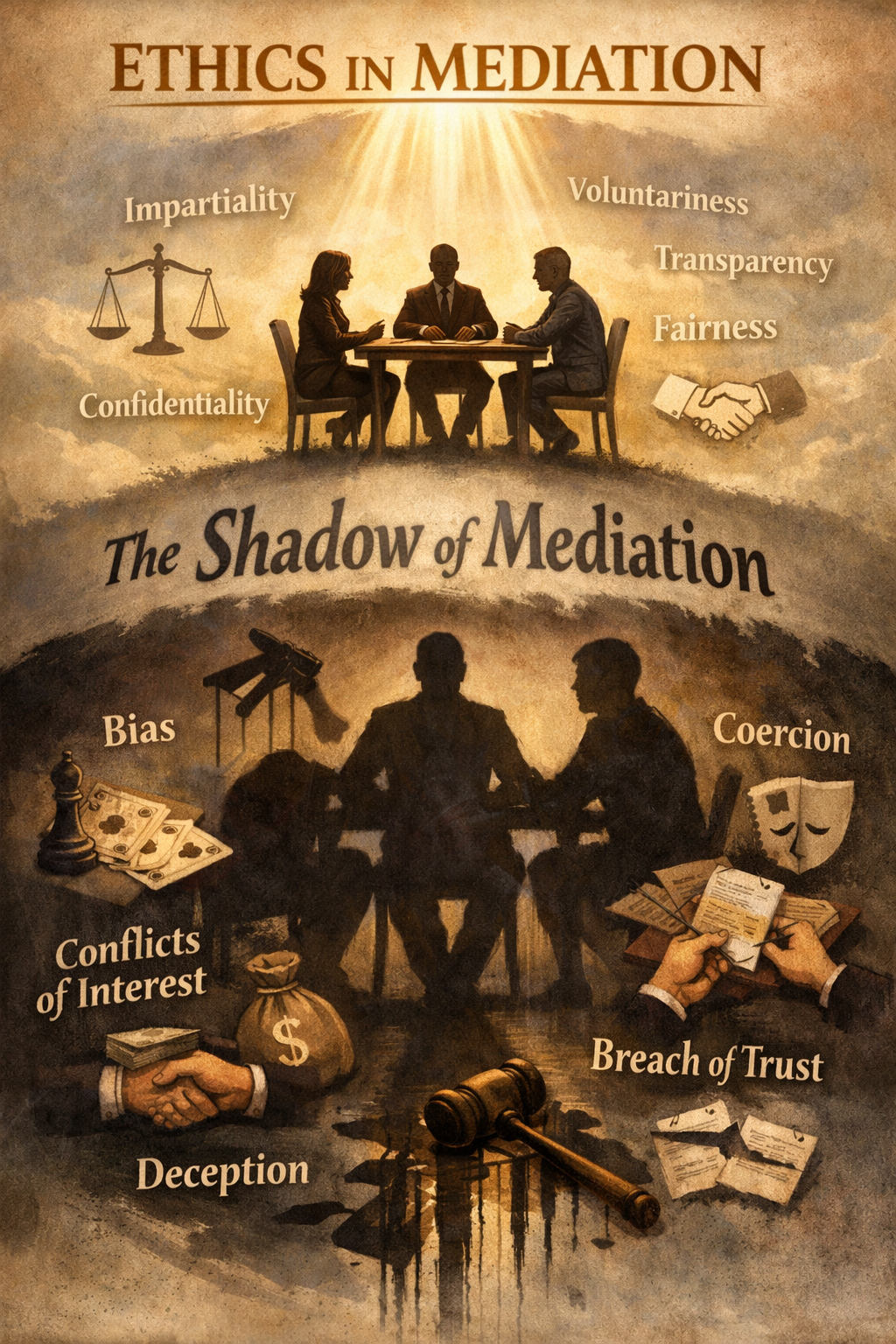
The Shadow of Mediation: Mediator Ethics, Perception, and the Quiet Risk of Post-Mediation Interactions

Mediation does not always end when the parties leave the room. Sometimes it lingers in follow-up emails, chance encounters at bar events, LinkedIn connections, referrals, post-settlement clarification calls, or even casual comments made months later. This lingering presence is what can be called the “shadow of mediation.” It is the ethical space where perception matters as much as reality. For mediators and neutrals, especially those operating within structured ethical frameworks such as the Florida Rules for Certified and Court-Appointed Mediators, the greatest risk is often not overt misconduct — it is the appearance of bias created unintentionally after the case concludes.

  1. The Ethical Foundation: Impartiality Beyond the Session

Under Florida Rule 10.330, impartiality means freedom from favoritism or bias in word, action, or appearance. appearance, and includes a commitment to assist all parties, as opposed to any one individual. The rule is not limited to what occurs during the mediation session itself. It extends to conduct that could undermine public confidence in neutrality. Similarly, Rule 10.340 (Conflicts of Interest) and Rule 10.370 (Authority and Professional Advice) reinforce a mediator’s obligation to avoid actions that could compromise neutrality or party self-determination. The key phrase embedded throughout mediator ethics is not simply actual bias, but the appearance of partiality. The shadow forms when conduct, even if innocent, creates doubt.

II. The “Shadow” Defined

The shadow of mediation refers to post-mediation conduct that:

  • Creates a perception that the mediator favors one party or counsel
  • Suggests confidential information influenced later interactions
  • Implies a continuing advisory or strategic role
  • Undermines the mediator’s neutrality in future related matters

It is subtle. Often unintentional. Sometimes If not always, social.

But perception drives trust — and mediation depends entirely on trust.

III. Cautionary Tales: Where Shadows Begin

1. The Post-Settlement Strategy Conversation

A mediator runs into defense counsel at a CLE event. The lawyer casually says, “Thanks for pushing the plaintiff hard on damages — that helped.”

The mediator responds with a smile: “I knew they were overvaluing the case.”

Even if said jokingly, the comment can be interpreted as alignment with one side’s strategy. If repeated, it could undermine future mediations involving that counsel or opposing parties.

Avoidance Strategy: Do not characterize your mediation moves in partisan terms. Neutral responses protect neutrality.

2. Social Media Proximity

After mediating a contentious commercial dispute, the mediator connects on LinkedIn with only one side’s counsel and later comments publicly on that attorney’s litigation victories.

The opposing side sees the visible online interaction.

Perception shifts.

Avoidance Strategy: Apply consistent professional boundaries across parties. If connecting online, consider balanced professional conduct or simply refrain.

3. Post-Mediation Clarification That Becomes Advice

A party calls the mediator months later asking: “Can you look at this enforcement issue? What do you think the judge would do?” If the mediator begins offering predictive legal analysis, especially favoring one party’s enforcement position, the line between neutral facilitator and advisor blurs. Rule 10.370 warns against providing professional opinion that overrides self-determination or suggests alignment.

Avoidance Strategy: Redirect parties to independent counsel. Provide process clarification, not substantive advocacy or predictive opinion.

4. Subsequent Representation in Related Matters

A mediator is later asked to serve as consultant or expert witness for one party in a related dispute arising from the mediated case. Even if technically permissible under certain conditions, the optics are dangerous. Confidential knowledge — even if not used — creates unavoidable appearance concerns.

Avoidance Strategy: Decline roles that derive from knowledge gained during mediation unless clear ethical authority and full informed consent exist — and even then, consider the reputational cost.

5. Casual Commentary About Parties

Statements such as:

  • “That plaintiff was impossible.”
  • “Defense counsel always lowballs.”
  • “I had to reality-check him.”

Even when anonymized, these comments can signal alignment, disclose confidential impressions, or diminish party dignity.

The shadow deepens when mediators speak too freely.

IV. Why Appearance Matters More Than Intent

Mediators often defend themselves by saying:

  • “I wasn’t biased.”
  • “Both attorneys/parties asked, so I provide both of them expected as I have the experience, training and expertise.”
  • “That’s not what I meant.”
  • “It was just a joke.”

Intent does not govern perception.

Public confidence in mediation rests on the belief that the neutral is, and remains, neutral. When appearance erodes, the process erodes.

Ethical discipline therefore requires restraint not only in conduct but in proximity.

V. Practical Guardrails to Avoid the Shadow

1. Adopt a Post-Case Neutrality Protocol

  • No strategic debriefs with one side.
  • No characterization of party performance.
  • No predictive analysis favoring one party.
  • No selective social media engagement tied to the case.

2. Standardize Your Responses

Develop neutral phrases such as:

  • “My role was to assist both parties in evaluating options.”
  • “The resolution resulted from the parties’ own decision-making.”
  • “I cannot comment on party positions or strategy.”

Consistency protects you.

3. Maintain Equal Professional Distance

Familiarity is not favoritism — but unequal familiarity creates perception.

Be aware of optics:

  • Who sees your public affiliations?
  • Be continuously aware of your body-language/behavior.
  • Who perceives your endorsements?
  • Who hears your praise?

4. Reflect Before Accepting Related Engagements

Ask:

  • Would a reasonable observer question my neutrality?
  • Could this create the appearance that confidential knowledge influenced my new role?
  • Would I be comfortable if this appeared in a grievance complaint?

If hesitation exists, the shadow already exists.

VI. The Ethical Discipline of Silence

Sometimes the most powerful ethical tool a mediator possesses is silence.

Silence after the session.
Silence about party strategy.
Silence about impressions.
Silence about perceived weaknesses.

The shadow shrinks when the mediator’s footprint remains light.

VII. Conclusion: Neutrality Extends Beyond the Room

Mediation is built on credibility.

Credibility is built on impartiality.

Impartiality requires vigilance — not only during caucus, not only during negotiation — but in the weeks, months, and professional interactions that follow.

The shadow of mediation is not misconduct.

It is risk. And ethical excellence requires not only avoiding actual bias, but guarding against its appearance — even when no one is watching.

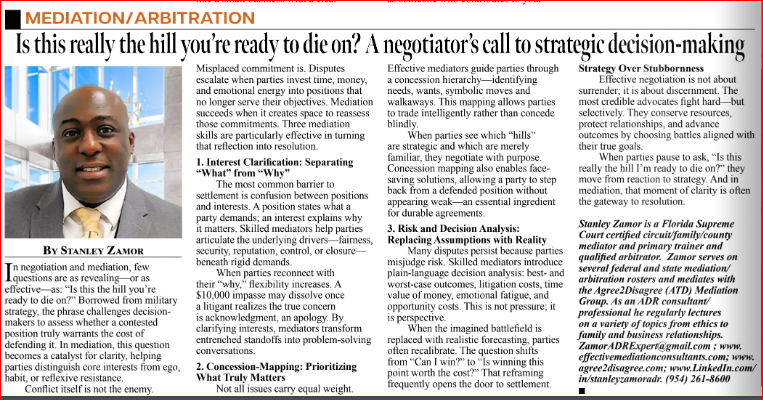
“Is This Really the Hill You’re Ready to Die On?”A Negotiator’s Call to Strategic Decision-Making

By Stanley Zamor

In negotiation and mediation, few questions are as revealing—or as effective—as: “Is this the hill you’re ready to die on?”  Borrowed from military strategy, the phrase challenges decision-makers to assess whether a contested position truly warrants the cost of defending it. In mediation, this question becomes a catalyst for clarity, helping parties distinguish core interests from ego, habit, or reflexive resistance.

Conflict itself is not the enemy. Misplaced commitment is. Disputes escalate when parties invest time, money, and emotional energy into positions that no longer serve their objectives. Mediation succeeds when it creates space to reassess those commitments. Three mediation skills are particularly effective in turning that reflection into resolution.

1. Interest Clarification: Separating “What” from “Why”

The most common barrier to settlement is confusion between positions and interests. A position states what a party demands; an interest explains why it matters. Skilled mediators help parties articulate the underlying drivers—fairness, security, reputation, control, or closure—beneath rigid demands.

When parties reconnect with their “why,” flexibility increases. A $10,000 impasse may dissolve once a litigant realizes the true concern is acknowledgment, an apology. By clarifying interests, mediators transform entrenched standoffs into problem-solving conversations.

2. Concession-Mapping: Prioritizing What Truly Matters

Not all issues carry equal weight. Effective mediators guide parties through a concession hierarchy—identifying needs, wants, symbolic moves and walkaways.  This mapping allows parties to trade intelligently rather than concede blindly.

When parties see which “hills” are strategic and which are merely familiar, they negotiate with purpose. Concession mapping also enables face-saving solutions, allowing a party to step back from a defended position without appearing weak—an essential ingredient for durable agreements.

3. Risk and Decision Analysis: Replacing Assumptions with Reality

Many disputes persist because parties misjudge risk. Skilled mediators introduce plain-language decision analysis: best- and worst-case outcomes, litigation costs, time value of money, emotional fatigue, and opportunity costs. This is not pressure; it is perspective.

When the imagined battlefield is replaced with realistic forecasting, parties often recalibrate. The question shifts from “Can I win?” to “Is winning this point worth the cost?” That reframing frequently opens the door to settlement.

Strategy Over Stubbornness

Effective negotiation is not about surrender; it is about discernment. The most credible advocates fight hard—but selectively. They conserve resources, protect relationships, and advance outcomes by choosing battles aligned with their true goals.

When parties pause to ask, “Is this really the hill I’m ready to die on?” they move from reaction to strategy. And in mediation, that moment of

 clarity is often the gateway to resolution.

Stanley Zamor is a Florida Supreme Court Certified Circuit/Family/County Mediator & Primary Trainer and Qualified Arbitrator.  Mr. Zamor is a private mediator and is on the panel of mediators at Salmon & Dulberg. He also serves on several federal and state mediation/arbitration rosters. As an ADR consultant/professional he regularly lectures on a variety of topics from ethics to Family/Business relationships.  To SCHEDULE A MEDIATION click the link to Stanley Zamor’s calendar https://sd-adr.com/attorney/stanley-zamor/ email his case manager: mariana@sd-adr.com

For direct contact ZamorADRExpert@gmail.com ; www.effectivemediationconsultants.com; www.LinkedIn.com/in/stanleyzamoradr. (954) 261-8600
From Worst to Winners: What Lawyers, Mediators, and Litigants Can Learn from Indiana Football’s 2025 National Championship Run

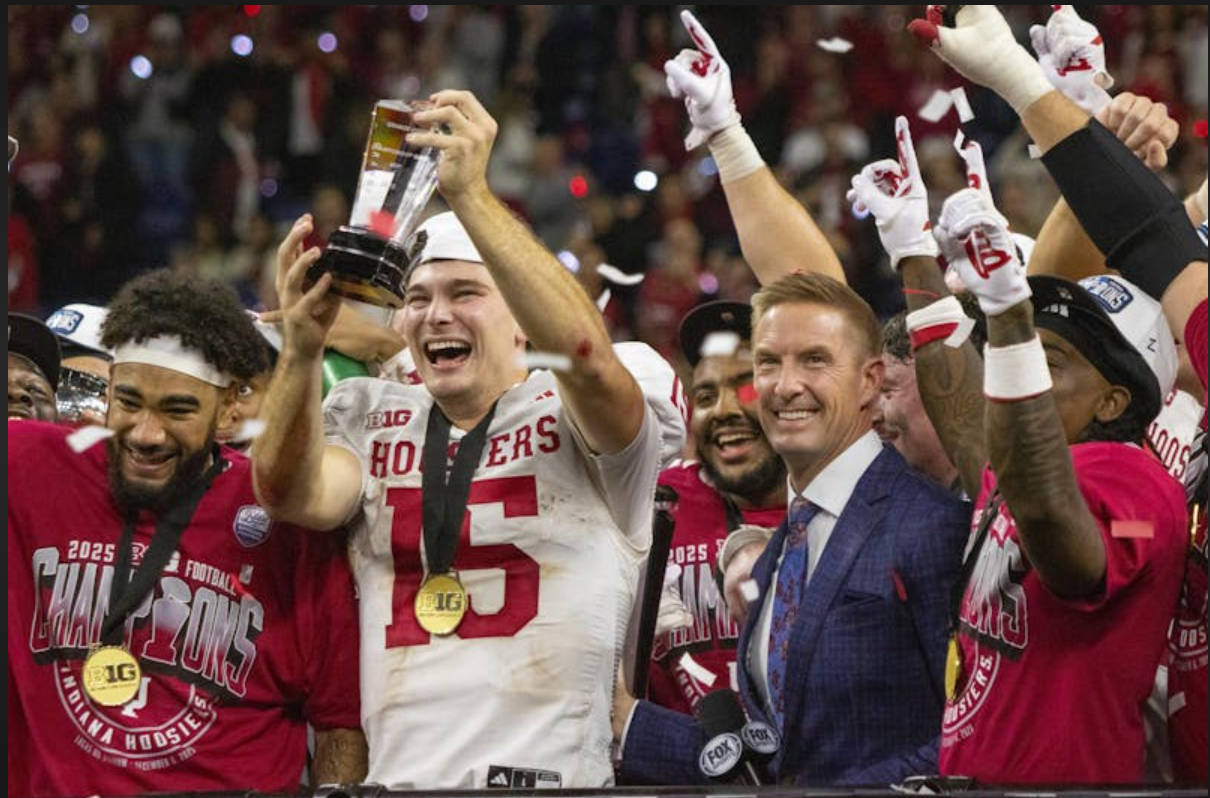
On January 19, 2026, the Indiana Hoosiers football completed one of the most remarkable turnarounds in modern sports, capping a perfect 16–0 season, producing a Heisman Trophy winner, and claiming their first College Football National Championship. A true Cinderella story!

Just two years earlier, Indiana football finished 3–9, widely regarded as one of the weakest programs in college football. No shortcuts. No overnight miracle. Just belief, discipline, and a relentless commitment to doing the hard things the right way.

That journey holds powerful lessons for lawyers, mediators, and litigation parties navigating high-stakes disputes, career plateaus, or seemingly unwinnable cases.


1. Focus Beats Flash: The Discipline to Execute Fundamentals

Indiana didn’t win by chasing gimmicks or relying on highlight-reel tricks. They won by executing fundamentals at an elite level—every snap, every drive, every game.

In law and mediation:

  • Great outcomes rarely come from dramatic courtroom theatrics or aggressive posturing alone.
  • They come from preparation, issue-spotting, credibility, and consistency.
  • Settlement leverage is built quietly—through discovery discipline, realistic valuation, and strategic patience.

Lesson: Championships and settlements are won long before the spotlight turns on.


2. No Easy Way Out: Growth Happens in the Hard-Work

Indiana could have chased quick fixes, soft schedules, paid for big name players/transfers, shortcuts in development. They didn’t. They embraced the grind: conditioning, tough scheduling, accountability, and adversity.

In litigation and mediation:

  • The “easy way” often looks like premature motion practice, positional bargaining, or avoiding difficult conversations.
  • The harder path—honest risk analysis, uncomfortable caucus dialogue, and reality-testing—produces durable agreements.

Lesson: Sustainable success comes from choosing the hard right over the easy wrong.


3. Belief Changes Performance Before It Changes Results

Before Indiana became champions, they first became believers. Players, coaches, and the program rewired their identity—from underdogs to contenders. That internal shift preceded every external victory.

In conflict resolution:

  • Parties who believe resolution is possible negotiate differently.
  • Lawyers who believe in preparation over bluster advocate more effectively.
  • Mediators who believe in “process over profit” maintain patience even when talks stall and stay ethical.

Lesson: Outcomes follow mindset. If you don’t believe progress is possible, it won’t be.


4. Leadership Creates Culture—Culture Wins Championships

Indiana’s turnaround wasn’t about one player, one coach, or one moment. It was about culture—clear expectations, shared accountability, and trust in the system.

In legal teams and mediation rooms:

  • Strong leadership creates psychological safety, enabling candid risk discussions.
  • Culture determines whether teams collaborate or fracture under pressure.
  • A mediator’s calm leadership during challenging discourse can reset an entire negotiation dynamic.

Lesson: Culture outlasts expertise/talent—and often outperforms it.


5. From 3–9 to 16–0: Past Failure Is Not a Ceiling

Indiana’s history did not define its future. The program refused to accept that “this is just who we are.” They rewrote the narrative.

For litigants and professionals:

  • A bad case history does not dictate settlement value.
  • A prior loss does not define future success.
  • A stalled negotiation is not a failed one—unless you stop believing and adjusting.

Lesson: Where you start does not determine where you can finish.


Final Whistle: Believe, Prepare, Execute

Indiana football’s national championship is not just a sports story—it’s a blueprint for transformation.

For lawyers, mediators, and parties in conflict, the message is clear:

  • Stay focused
  • Reject shortcuts
  • Commit to disciplined preparation
  • Believe that progress is possible—even when history says otherwise

You can go from worst to winners.
Not by wishing.
Not by rushing.
But by believing—and doing the work when no one is watching.


Stanley Zamor is a Florida Supreme Court Certified Circuit/Family/County Mediator & Primary Trainer and Qualified Arbitrator.  Mr. Zamor is a private mediator and serves on several federal and state mediation/arbitration rosters. As an ADR consultant/professional he regularly lectures on a variety of topics from ethics, diversity/culture, bullying, Community Resolution Design, and Family/Business relationships.  ZamorADRExpert@gmail.com ; www.effectivemediationconsultants.com; www.LinkedIn.com/in/stanleyzamoradr, (954) 261-8600.

“Negotiating with the Enemy – Thoughts”

The Washington-Relocation


Father’s Attorney: “My client will not give in or consider anything less than what “we” currently have.
My client did not make her leave Florida or the condo he purchased for her. So, for her to now ask for
full time-sharing is NOT going to happen.”


Mother (Pro Se): Please Mr. Stanley help me! I understand everything they said. But here. Read these.
See? I dealt with 3 Domestic Violence cases with him/his family. So, I left my son and Florida. But now
that I am more stable. I am here to fight for my son. All I am asking is that he finishes up to middle
school with me in Texas; then he can do High School with his dad. That is fair. Right?


CONFRONTING THE “ENEMY”


Whether it’s a family or business matter entering a negotiation is never as simple as people think. At
almost every stage of a negotiation emotion plays a part of how you negotiate and ultimately how you
respond. What is also a factor is who you are negotiating with/against and how they respond.
Understanding both sides does contribute to the type of resolve achieved. As I mediate, parties are
usually, only focused on what law, statute, or case-law is used to persuade their position. I understand
that and get it. But then what? During mediation rarely is one side persuaded to giving-in just because
the law/facts (as it is interpreted by that side) convinced them to “take the deal and run”. No. It does
not happen that way. They would just agree to disagree and let the court decide, right? Why is it not
understood that being face-to-face at mediation, is the best time to negotiate with transparency? Yes, I
said transparency. It doesn’t need to be adversarial.


ENGAGING THE “ENEMY”


Negotiation “is” an emotional event and although many promote/expect disputants to “take the
emotion out of it…” that is not so easy to do. When dealing with the human condition you are always
dealing with issues of disappointment, unmet expectations, insecurities, and feelings of betrayal that
have permeated the relationships’ core. That is not so simple to ignore; and is always paramount.


SEEING THE “ENEMY”


After thousands of hours of creating solutions and addressing family/business matters I have found that
every dispute is unique, in its own way. However, when seeing people dealing with their adversary, they
often must “see” themselves, or their missed opportunities to recognize concerns that would have
saved them years of conflict/grief. So, for many, the enemy they must confront and deal with, is the
enemy within.

Stanley Zamor is a Florida Supreme Court Certified Circuit/Family/County Mediator & Primary Trainer and Qualified
Arbitrator. Mr. Zamor serves on several federal and state mediation/arbitration rosters and mediates with the Agree2Disagree
(ATD) Mediation Group. As an ADR consultant he regularly lectures on a variety of topics from ethics, cross-cultural issues,
diversity, and Family/Business relationships.


ZamorADRExpert@gmail.com ; www.effectivemediationconsultants.com; www.LinkedIn.com/in/stanleyzamoradr
(954) 261-8600

Quotes from “The Importance of Diversity in Alternative Dispute Resolution” June 2021

Baros, Eunice, Palm Beach County Bar Bulletin on Diversity.Mediation

Notable article quotes: (Click here for article)
“Diversity pervades our entire existence …Diversity goes beyond cultural characteristics. If affects our socio-economic, gender, geographical, and financial status.”
“The Covid-19 pandemic has forced us all to be aware of others and not just ourselves. We need to emphasize fairness, equity, values, empowerment and self-determination at every level of our interaction and in every situation in our lives now.”
“We are diverse. We want to be valued, we want to be recognized, we want to be respected. Diversity is what we are. It’s part of the human condition.”