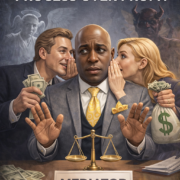
An Ethics Cautionary Tale: Process Over Profit — Translations, How About You?

By Stanley Zamor — Podcast Summary

In the podcast episode “An Ethics Cautionary Tale: Process Over Profit — Translations, How About You?”, Stanley Zamor reflects on a recent mediation experience that raises an issue many neutrals encounter but few openly discuss: the ethical responsibility surrounding proper translation during mediation and the mediator’s duty to safeguard understanding throughout the process.

At the core of the discussion is a foundational principle of mediation — the parties, not the attorneys or the mediator, are the ultimate decision-makers. Because settlement decisions can carry life-altering consequences, mediators have an ongoing obligation to ensure that every participant fully understands the process, the proposals being discussed, and the “parties/litigants” understand implications of their choices. This responsibility does not end once a translator is present; rather, it requires continual monitoring, clarification, and vigilance throughout the mediation session.

The episode highlights an incident that happened during a real litigation commercial case and how ethical obligations, that may seem minor or procedural to other professionals are, in mediation, central to the integrity of the process. Failure to address translation issues, misunderstandings, or communication gaps can undermine self-determination and compromise fairness — both core values of professional mediation practice.

Zamor emphasizes that mediators carry duties that extend beyond client satisfaction or case resolution. Their responsibility is owed simultaneously to the parties, the profession, the mediation process itself, and the courts that rely on mediators to uphold ethical standards. These obligations often differ sharply from the role of advocates, whose focus is understandably aligned with advancing their clients’ interests. This tension can create ethical crossroads for neutrals who must decide whether to prioritize efficiency or procedural integrity.

A central question posed in the podcast challenges mediators directly: How many neutrals truly place process before profit? While the answer may seem obvious in theory, Zamor argues that the reality is more complex. Mediators operate businesses and face economic pressures, making ethical decision-making less straightforward than many assume. The willingness to pause, slow down, or even challenge participants when ethical concerns arise may conflict with business incentives — yet it is precisely in these moments that professional integrity is tested.

The discussion also references the Florida Rules for Certified and Court-Appointed Mediators, which clearly articulate the mediator’s ethical obligations, as well as multiple opinions issued by the Mediator Ethics Advisory Committee (MEAC) addressing translation and communication issues. Despite this guidance, translation concerns remain common and are frequently mishandled, underscoring the need for continued dialogue and education.

Ultimately, the episode serves as both cautionary tale and call to reflection. It challenges mediators to examine their own practices and ask whether they are consistently putting the integrity of the process ahead of convenience or financial considerations. In doing so, Zamor invites the mediation community to reaffirm that ethical vigilance — especially in seemingly routine details — is what protects party self-determination and sustains trust in the profession.

The question lingering at the end is simple but profound: When ethical tensions arise, will you choose process over profit?

Click here for the podcast: https://youtu.be/B2oL-ExMOHo

====================================================================
Stanley Zamor is a Florida Supreme Court Certified Circuit/Family/County Mediator & Primary Trainer and Qualified Arbitrator. Mr. Zamor is a private mediator and serves on several federal and state mediation/arbitration rosters. As an ADR consultant/professional he regularly lectures on a variety of topics from ethics, diversity/culture, bullying, Community Resolution Design, and Family/Business relationships. ZamorADRExpert@gmail.com ; www.effectivemediationconsultants.com; www.LinkedIn.com/in/stanleyzamoradr. (954) 261-8600
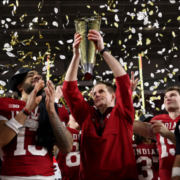
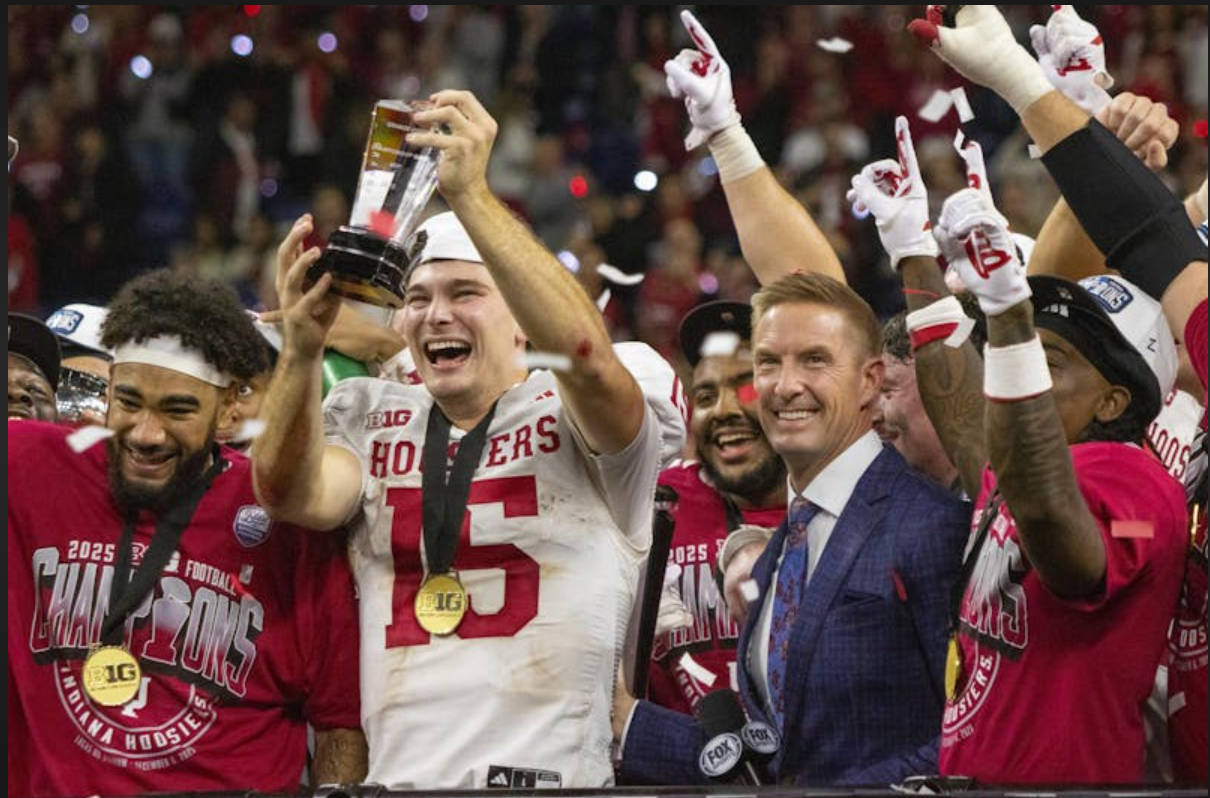
From Worst to Winners: What Lawyers, Mediators, and Litigants Can Learn from Indiana Football’s 2025 National Championship Run

On January 19, 2026, the Indiana Hoosiers football completed one of the most remarkable turnarounds in modern sports, capping a perfect 16–0 season, producing a Heisman Trophy winner, and claiming their first College Football National Championship. A true Cinderella story!

Just two years earlier, Indiana football finished 3–9, widely regarded as one of the weakest programs in college football. No shortcuts. No overnight miracle. Just belief, discipline, and a relentless commitment to doing the hard things the right way.

That journey holds powerful lessons for lawyers, mediators, and litigation parties navigating high-stakes disputes, career plateaus, or seemingly unwinnable cases.


1. Focus Beats Flash: The Discipline to Execute Fundamentals

Indiana didn’t win by chasing gimmicks or relying on highlight-reel tricks. They won by executing fundamentals at an elite level—every snap, every drive, every game.

In law and mediation:

  • Great outcomes rarely come from dramatic courtroom theatrics or aggressive posturing alone.
  • They come from preparation, issue-spotting, credibility, and consistency.
  • Settlement leverage is built quietly—through discovery discipline, realistic valuation, and strategic patience.

Lesson: Championships and settlements are won long before the spotlight turns on.


2. No Easy Way Out: Growth Happens in the Hard-Work

Indiana could have chased quick fixes, soft schedules, paid for big name players/transfers, shortcuts in development. They didn’t. They embraced the grind: conditioning, tough scheduling, accountability, and adversity.

In litigation and mediation:

  • The “easy way” often looks like premature motion practice, positional bargaining, or avoiding difficult conversations.
  • The harder path—honest risk analysis, uncomfortable caucus dialogue, and reality-testing—produces durable agreements.

Lesson: Sustainable success comes from choosing the hard right over the easy wrong.


3. Belief Changes Performance Before It Changes Results

Before Indiana became champions, they first became believers. Players, coaches, and the program rewired their identity—from underdogs to contenders. That internal shift preceded every external victory.

In conflict resolution:

  • Parties who believe resolution is possible negotiate differently.
  • Lawyers who believe in preparation over bluster advocate more effectively.
  • Mediators who believe in “process over profit” maintain patience even when talks stall and stay ethical.

Lesson: Outcomes follow mindset. If you don’t believe progress is possible, it won’t be.


4. Leadership Creates Culture—Culture Wins Championships

Indiana’s turnaround wasn’t about one player, one coach, or one moment. It was about culture—clear expectations, shared accountability, and trust in the system.

In legal teams and mediation rooms:

  • Strong leadership creates psychological safety, enabling candid risk discussions.
  • Culture determines whether teams collaborate or fracture under pressure.
  • A mediator’s calm leadership during challenging discourse can reset an entire negotiation dynamic.

Lesson: Culture outlasts expertise/talent—and often outperforms it.


5. From 3–9 to 16–0: Past Failure Is Not a Ceiling

Indiana’s history did not define its future. The program refused to accept that “this is just who we are.” They rewrote the narrative.

For litigants and professionals:

  • A bad case history does not dictate settlement value.
  • A prior loss does not define future success.
  • A stalled negotiation is not a failed one—unless you stop believing and adjusting.

Lesson: Where you start does not determine where you can finish.


Final Whistle: Believe, Prepare, Execute

Indiana football’s national championship is not just a sports story—it’s a blueprint for transformation.

For lawyers, mediators, and parties in conflict, the message is clear:

  • Stay focused
  • Reject shortcuts
  • Commit to disciplined preparation
  • Believe that progress is possible—even when history says otherwise

You can go from worst to winners.
Not by wishing.
Not by rushing.
But by believing—and doing the work when no one is watching.


Stanley Zamor is a Florida Supreme Court Certified Circuit/Family/County Mediator & Primary Trainer and Qualified Arbitrator.  Mr. Zamor is a private mediator and serves on several federal and state mediation/arbitration rosters. As an ADR consultant/professional he regularly lectures on a variety of topics from ethics, diversity/culture, bullying, Community Resolution Design, and Family/Business relationships.  ZamorADRExpert@gmail.com ; www.effectivemediationconsultants.com; www.LinkedIn.com/in/stanleyzamoradr, (954) 261-8600.

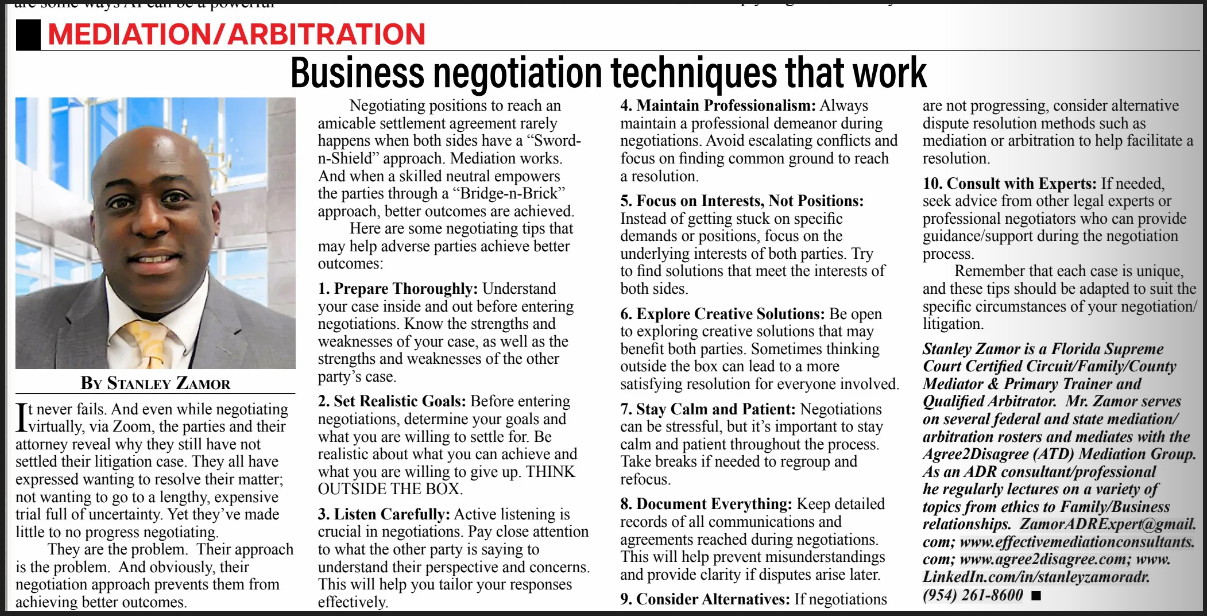
Business Negotiation Techniques That Work

Mediation/Arbitration

Business Negotiation Techniques That Work

It never fails. And even while negotiating virtually, via Zoom, the parties and their attorney reveal why they still have not settled their litigation case. They all have expressed wanting to resolve their matter; not wanting to go to a lengthy, expensive trial full of uncertainty. Yet they’ve made little to no progress negotiating. They are the problem.  Their approach is the problem.  And obviously, their negotiation approach prevents them from achieving better outcomes.

Negotiating positions to reach an amicable settlement agreement rarely happens when both sides have a “Sword-n-Shield” approach.  Mediation works. And when a skilled neutral empowers the parties through a “Bridge-n-Brick” approach, better outcomes are achieved.

Proven Negotiation Tips:

Here are some negotiating tips that may help adverse parties achieve better outcomes:

  1. Prepare Thoroughly: Understand your case inside and out before entering negotiations. Know the strengths and weaknesses of your case, as well as the strengths and weaknesses of the other party’s case.
  • Set Realistic Goals: Before entering negotiations, determine your goals and what you are willing to settle for. Be realistic about what you can achieve and what you are willing to give up. THINK OUT THE BOX
  • Listen Carefully: Active listening is crucial in negotiations. Pay close attention to what the other party is saying to understand their perspective and concerns. This will help you tailor your responses effectively.
  • Maintain Professionalism: Always maintain a professional demeanor during negotiations. Avoid escalating conflicts and focus on finding common ground to reach a resolution.
  • Focus on Interests, Not Positions: Instead of getting stuck on specific demands or positions, focus on the underlying interests of both parties. Try to find solutions that meet the interests of both sides.
  • Explore Creative Solutions: Be open to exploring creative solutions that may benefit both parties. Sometimes thinking outside the box can lead to a more satisfying resolution for everyone involved.
  • Stay Calm and Patient: Negotiations can be stressful, but it’s important to stay calm and patient throughout the process. Take breaks if needed to regroup and refocus.
  • Document Everything: Keep detailed records of all communications and agreements reached during negotiations. This will help prevent misunderstandings and provide clarity if disputes arise later.
  • Consider Alternatives: If negotiations are not progressing, consider alternative dispute resolution methods such as mediation or arbitration to help facilitate a resolution.
  1. Consult with Experts: If needed, seek advice from other legal experts or professional negotiators who can provide guidance/support during the negotiation process.

Remember that each case is unique, and these tips should be adapted to suit the specific circumstances of your negotiation/litigation.

Stanley Zamor is a Florida Supreme Court Certified Circuit/Family/County Mediator & Primary Trainer and Qualified Arbitrator.  Mr. Zamor serves on several federal and state mediation/arbitration rosters and mediates with the Agree2Disagree (ATD) Mediation Group. As an ADR consultant/professional he regularly lectures on a variety of topics from ethics to Family/Business relationships.  ZamorADRExpert@gmail.com ; www.effectivemediationconsultants.com; www.agree2disagree.com; www.LinkedIn.com/in/stanleyzamoradr. (954) 261-8600

“Victory Can Be Achieved Through Perspective”

By Stanley Zamor

Plaintiff’s Attorney: (after opening presentations) “Mr. Zamor, even though the Defense Attorney presented how we will not be able to have an expert witness because the judge may strike our expert, we feel confident that the judge will not strike our expert. And we are just ready to go to trial, the attorney in charge of this case Mr. Lead Attorney will be there.  We are trial ready and will take our chances at trial, if the Defendant did not come ready to settle today.”

Defendant’s Attorney: “I just provided the transcript to you and Mr. Zamor from our last hearing which you did not attend. The Judge was quite clear, starting on page 16 line 18. She said, ‘… Mr. LeadAttorney, I gave strict instructions. Yet you did not file an expert disclosure or report on time.  And the document you are presenting now from your engineer, is full of conclusory statements. I will not be accepting anything past the missed deadline. I strongly suggest you go to mediation again.’ Mr. Zamor, I must say, should the Plaintiff lose, he will be responsible for all our fees.

So, Mr. Zamor, we are here because the Judge is kind-of giving the Plaintiff another chance at resolving the case before trial. Because as you know this will be a battle of the experts; and they have missed all the deadlines and will not be able to present one. We are here in good faith to negotiate, and we feel more confident than before that we will win.”

The Plaintiff seemed unaware of what was happening. So, I asked, “Ms. Plaintiff Coverage- Attorney, help us to understand what did the judge mean when she said conclusory? Although I understand the legal term, I want to ensure we all have the same understanding.” The Plaintiff leaned in attentively as his coverage-attorney explained that the term means, an inference that has no proof but is stated none the less. After the explanation, the Plaintiff’s body-language changed and he requested to speak privately with his lawyer immediately.  

“The greatest victory is that which requires no battle.”
― Sun Tzu, The Art of War

Take Away – A Victory Begins with Perspective  

The above is just a portion of a long exchange with multiple joint/private sessions. At the commencement of mediation, it was clear that the Plaintiff was not prepared to negotiate. And was not informed about the current posture of the case. Decision makers, regardless of legal education, it is paramount that you maintain a clear understanding of your case and possible legal ramifications.

Stanley Zamor is a Florida Supreme Court Certified Circuit/Family/County Mediator & Primary Trainer and Qualified Arbitrator.  Mr. Zamor serves on several federal and state mediation/arbitration rosters and mediates with the Agree2Disagree (ATD) Mediation Group. As an ADR consultant/professional he regularly lectures on a variety of topics from ethics, cross-cultural issues, diversity, and Family/Business relationships.  ZamorADRExpert@gmail.com ; www.effectivemediationconsultants.com; www.agree2disagree.com; www.LinkedIn.com/in/stanleyzamoradr. (954) 261-8600
A Mediator’s Holiday Wish

By Stanley Zamor

1- Seasons Greetings: “Happy Holidays”; “Merry Christmas”; “Happy Hanukkah”; “Happy Kwanzaa”; “Happy Festivus!”

2- Statement from CoParenting Case: “My children’s father still refuses to pay his support. So as a result, even though I’m working more hours, we’re being evicted…and it is Christmas.”

3- Statements from Probate Case: “…The anniversary of our mother’s death is Christmas Eve. And still my siblings refuse to sign the documents in order to satisfy the banks requirements for use to resolve numerous obligations left unresolved. This is becoming a dire situation…None of us are communicating and out families are being torn apart” -Probate/Enforcement of Sale/Liens

4- Statements from Divorce/Family Case: “Mr. Zamor. Forgive my emotion and my tears. But I have not seen my children in 4 months. I missed Thanksgiving with them, a birthday and various school events, and now it’s evident I will not be seeing them for Christmas. This is not justice. How come no one his helping. The judge, the police, no one seems to be helping…Nothing but postponements an more time/money lost…”

The above are just a few of the many statements, sentiments expressed to me by disputants during mediations that occurred during in the holiday season. Although this is the time of the year where families get together, and most enjoy gifts and seasonal good wishes. That is not the reality for many, many others. For many this is the worst time of the year. According to various research and reports during the holiday season families experience a highest levels of stress, interpersonal conflicts and mental health concerns that inhibit the joy and harmony the holiday season promotes.  

Neutrals can play a profound role during this time. And although we are not in a mental health or counseling role, as we help construct solutions to very complex and deep emotional stress; we can encourage better communication though effective conflict resolution techniques that help cope and find solutions.

MY WISH

            My wish for this holiday season is that, should you be a professional neutral who deals with individuals or families, during the holiday season recognize the important role you play. Go beyond the mundane and provide the disputants with what is the “Promise of Mediation”. Remain ethical. Use true conflict resolution/management skills and technique to empower the disputants and allow for self-determination. Promote empanty and offer disputants encouragement and soft suggestions to reduce the barriers to communication.  Doing so may not provide the perfect solutions to their conflict, but it will demonstrate a professional who is dutifully engaged and dedicated to helping creating solutions to complex matters.

The following are 10 suggestions to a better holiday season:

  1. Set/Be Aware of Expectations (what you expect from others and your time with others)
  2. Stay Open to Your Needs and the Needs of Others
  3. Set Your Boundaries and Create Realistic Boundaries
  4. Be Mindful
  5. Approach Every Conversations and Interaction with Good Intentions
  6. Take Time for Yourself when Necessary
  7. Breathe, Breathe, Breathe
  8. Do Not Enter or Contribute to Conversations that YOU KNOW LEAD TO TIGGERS
  9. Know/Recognize Your Own Triggers
  10. Answer For/Speak For/Express Yourself, Not for Others

Stanley Zamor is a Florida Supreme Court Certified Circuit/Family/County Mediator & Primary Trainer and Qualified Arbitrator.  Mr. Zamor serves on several federal and state mediation/arbitration rosters and mediates with the Agree2Disagree (ATD) Mediation Group. He is also appointed to serve on the Florida Bar Grievance Committee and serves other National organizations as a facilitator and lecturer. As a ADR & Conflict consultant/professional he regularly lectures on a variety of topics from ethics, cross-cultural issues, diversity, and Family/Business relationships.  ZamorADRExpert@gmail.com ; www.effectivemediationconsultants.com; www.agree2disagree.com; www.LinkedIn.com/in/stanleyzamoradr. (954) 261-8600

An Unusual Approach to Negotiations that Yield Better Results?

By Stanley Zamor

“So, Mr. Zamor, if we do indeed settle, can you offer us a ride in your Porsche GT3 RS around the country road, as part of the settlement?” Everyone laughed.

I smiled and responded, “Mr. Richard, like I’ve said before, this is not my car, and that country road is in the Northeastern part of the country; it’s picturesque background. Although in a few weeks I do plan on driving my colleague’s on that exact road. It’s just a material item, but I see it does impact many and reminds me about the valued of things and what can be achieved. LIKE THIS AGREEMENT. Both sides approached opening statements with a defeatists tone, and that this matter would not settle today. Although, that is a possibility, it was not the reality. And you did find way to settle. Why? I like to believe that because of how you negotiated after every round; you mentioned my background and I continually managed to set and reset expectations and show the value in each of your proposals. Value-creation, no matter what the proposal was, is what you experienced, and is what you did after every negotiating round. What once was thought as being too high, too low, or even thought as being insulting, ceased.   You all began with a position, a valued expectation that you found value in adjusting. You appreciated the other parties’ “why” and “how”.  You began to assign a broader value to their case. You all put away your ego and began to appreciate the interest you all have in settling the matter instead of the importance of your positions. Congratulations.

You saw each other for what you truly are and needed; looked at what could really be achieved, instead of the more difficult/exotic “unattainable”, Porsche GT3 RS type resolve. See. Sometimes people set high expectations and need to reset them to what they truly need to get it done. Um, does that make sense? That is why I kept the background as we negotiated?” The Value-Creation Approach.

The Takeaway: As I have watched, facilitated and help manage thousands of conflict negotiations throughout my years as a professional neutral, there are several truths that continually playout. Many of these truths (values) are how I approach helping disputants find solutions to their conflict. The following are just a few of the elements to finding solutions to business and/or interpersonal conflicts: 

  1. Separate the person from the problem.
  2. Allow them/give them space to reveal their truth and they will.
  3. Let-Go Your Ego as Stratego

Stanley Zamor is a Florida Supreme Court Certified Circuit/Family/County Mediator & Primary Trainer and Qualified Arbitrator.  Mr. Zamor serves on several federal and state mediation/arbitration rosters and mediates with the Agree2Disagree (ATD) Mediation Group. As an ADR consultant/professional he regularly lectures on a variety of topics from ethics, cross-cultural issues, diversity, and Family/Business relationships.  ZamorADRExpert@gmail.com ; www.effectivemediationconsultants.com; www.agree2disagree.com; www.LinkedIn.com/in/stanleyzamoradr. (954) 261-8600

DOWNLOAD THE ARTICLE

“Mediate, Like Water My Friend – Reflecting on Bruce Lee”

By Stanley Zamor

The Defense and the Plaintiff’s attorneys exchanged smiles and pleasantries while the agreement was being signed, then someone stated, “How did we get here. I never settle these cases so early…”. I immediately interjected, “Well, it’s because we mediated like water. And from the orientation (opening statement) forward, you allowed the process to be what it needed to be for the litigants”. I asked the Defense’s attorney, why was his first offer much higher than what they anticipated? Then, I asked the Plaintiff’s attorney, you said the Defense lost their Summary Judgement Motion which would have ended the case before the trial, you have a stronger case, and your 3 recent trial wins mirrors this case exactly. Why demand so much less when you said you are due so much more? They seemed more attentive, and I continued; you both expressed a choice to negotiate differently, so we did. Although we initially went through the merits of your case, how much time did we spend debating the usual arguments showcasing your strengths and highlighting the others weakness? Not much. With this case there was no need to mimic the evaluative style mediators/neutrals use; its mundane, often unethical, and very limiting.  You did not need that, so I played the role I was supposed to and encouraged creative negotiations.  Instead of it being only about who is a better lawyer, whose case is stronger, it became about what solutions can work today. I mediated like water my friends.

“Empty your mind, be formless. Shapeless, like water. If you put water into a cup, it becomes the cup. You put water into a bottle, and it becomes the bottle. You put it in a teapot, it becomes the teapot. Now, water can flow, or it can crash. Be water, my friend.”

— Bruce Lee

The Promise of Mediation

Mediation is a unique process with subtle nuances; it is not a court event. And when facilitated with process-knowledge and a command of varying negotiation techniques the parties can craft/achieve solutions that the court cannot offer. Mediators who remain tied to their litigation roots often neglect the promise of mediation, for the profit of mediation. They rarely invest in expanding their skills/techniques or becoming “comfortably-uncomfortable”, an advanced state. Participants can get more out of mediation if they understand the possibilities of mediation.

“Conflict/Mediation is Constructive…”

Bruce Lee’s words were about resilience.  I find them far deeper and use them as a metaphor and as an approach for creating unique solutions that encourages flexibility, creativity, empowerment, barrier reducing communication, relationship-building, and self-determination.

Stanley Zamor is a Florida Supreme Court Certified Circuit/Family/County Mediator & Primary Trainer and Qualified Arbitrator.  Mr. Zamor serves on several federal and state mediation/arbitration rosters and mediates with the Agree2Disagree (ATD) Mediation Group. As an ADR consultant he regularly lectures on a variety of topics from ethics, cross-cultural issues, diversity, and Family/Business relationships. 

ZamorADRExpert@gmail.com ; www.effectivemediationconsultants.com; www.LinkedIn.com/in/stanleyzamoradr (954) 261-8600

I AM Just Asking. Are Mediators/ADR Professionals Uncomfortable with Conflict Outside Their Conference Room?

In Brief: Where are my fellow Mediators/ADR Professionals? I expected to see/hear more from my colleagues hoping to uplift their communities as our country suffers from a deteriorated Law Enforcement & comUncomfortabl picmunity trust, ignorance, hate and violence. Why is it that when I ask established colleagues for their insight on addressing the current turmoil found with Law Enforcement-Community divides they give me the “I’m uncomfortable look”, they start to blink a lot and avoid eye contact, or they mumble “…they’re not my clients…” WOW!? I just shake my head and say “We don’t have clients. We service individuals, businesses, communities in varying stages of conflict and we help these participants through these difficult issues…”.

It is increasingly clear when the world is being turned upside down and communities are at odds, Mediators/ADR professionals should feel the duty to actively step-in and step-up by offering their conflict resolution skills and to assist with brainstorming solutions and peacebuilding. Are we not the Bridge-Builders of dialogue? Instigators of open honest/transparent communication? Encouragers of respectful cross-cultural, racial and religious background acceptance? Why are so many of my colleagues not comfortable with conflict outside of their conference room walls. I sometimes don’t get it. But then again, I guess for many, this is just a profession and not a calling.

For those who see themselves going beyond the conference room, being uncomfortable while creating an impact, and working on sustainable solutions, I would love to hear from you szamor@i-mediateconsulting.com

A New Year of Resolve: Saying Goodbye to 2013 Litigation & Hello to 2014 Agreed Settlement